
Real Estate in Ghana: The Complete 2026 Guide
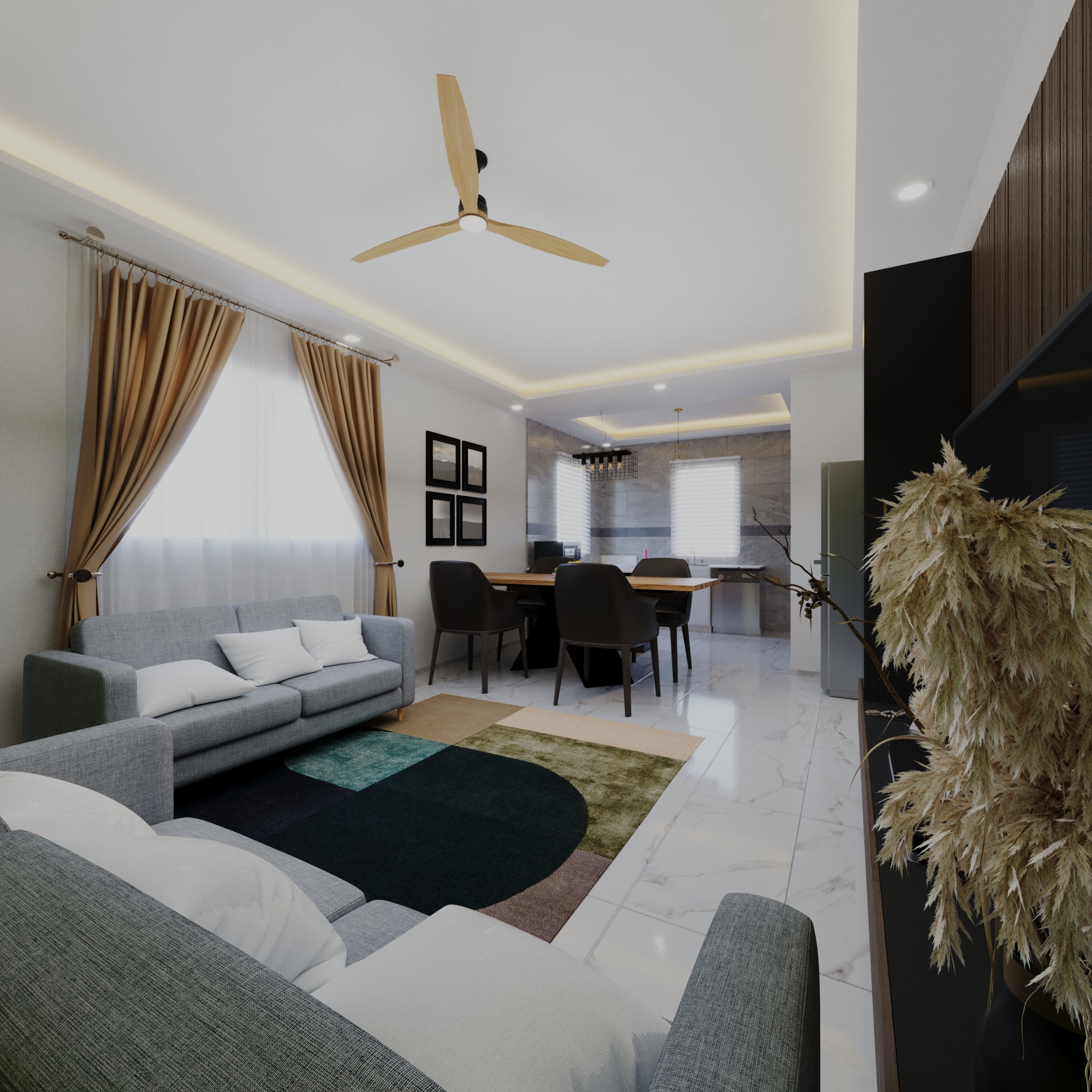
Real Estate in Ghana: The Complete 2026 Guide
Real estate in Ghana has become one of West Africa's most active property markets, driven by a growing middle class, steady diaspora investment, and rapid urban expansion around Accra. Whether you're a first-time buyer, a Ghanaian living abroad, or an investor exploring your options, understanding how the market works is the first step toward making a confident decision.
This guide walks through everything you need to know: the types of property available, how the buying process works, where people are investing, how to finance a purchase, and what separates a trustworthy developer from a risky one.
Why Real Estate in Ghana Is Attracting More Buyers
Ghana's property sector has grown steadily over the past two decades, supported by political stability, an expanding middle class, and consistent demand from Ghanaians abroad looking to invest back home. Urban centers like Accra and Tema continue to expand outward, creating new residential corridors and pushing demand into previously quiet suburbs. For many buyers, property in Ghana isn't just a place to live, it's viewed as a long-term store of value and, increasingly, a source of rental income.
Types of Real Estate in Ghana
Before buying, it helps to understand the main categories of property available in the Ghanaian market:
Residential property: standalone houses, gated-community homes, apartments, and townhouses, ranging from starter homes to luxury estates
Commercial property: office space, retail units, and mixed-use developments concentrated in business districts like Airport City
Land: undeveloped plots for private construction, sold with varying levels of infrastructure and title documentation
Gated community developments: planned residential estates offering shared amenities, security, and consistent building standards
Each category carries different levels of risk, cost, and timeline, which is why it's worth thinking clearly about what you actually need before choosing a path.
How the Real Estate Market Works in Ghana
Property transactions in Ghana generally follow a similar structure, whether you're buying land or a finished home:
1. Property search and selection: identifying a location, budget, and property type
2. Due diligence: verifying land title status at the Lands Commission and confirming there are no competing claims
3. Offer and negotiation: agreeing on price and payment terms with the seller or developer
4. Legal documentation: engaging a lawyer to review contracts, title documents, and indentures
5. Payment and transfer: completing payment (outright, installment, or mortgage-financed) and registering the transfer of title
The Ghana Real Estate Developers Association (GREDA) plays an important role in the formal market, setting standards that member developers are expected to follow. Buying from a GREDA-registered developer is generally a safer starting point than an informal, undocumented transaction.
Where People Are Buying: A Quick Location Snapshot
Location has a major impact on both price and long-term value in Ghanaian real estate. A few of the most active areas include:
Airport City: a fast-growing commercial and mixed-use hub near Kotoka International Airport, popular for offices and premium residences
Lakeside: well developed with rich amenities for soft life living
East Legon: an established, high-demand residential area known for its schools and lifestyle amenities
Cantonments: a long-standing diplomatic and upscale residential district
Tema and greater Accra suburbs: increasingly popular for gated-community developments offering more space at a lower entry price than the city center
We'll be publishing a full comparison of these locations soon. For now, the key takeaway is that price, commute, and lifestyle priorities should guide where you look, not just brand recognition.
Financing a Property Purchase in Ghana
Very few buyers pay for property entirely in cash, which makes financing one of the most important parts of the process. Options generally include:
Traditional bank mortgages, often repaid over 15–20 years
Developer-financed installment plans, where the buyer pays a deposit and spreads the balance over a fixed period
Pension-backed mortgages, which allow qualifying buyers to leverage Tier 2 or Tier 3 pension savings toward a home purchase
Diaspora-specific mortgage products, offered by several Ghanaian banks for buyers living abroad
We've covered financing in more depth in our guides on financing your real estate purchase in Ghana. It is worth reading before you commit to a payment structure.
What to Look for in a Real Estate Developer
Not all developers operate the same way, and this is often where first-time buyers run into trouble. Before committing to any purchase, look for:
GREDA membership and other formal industry credentials
A verifiable track record, completed projects, not just renderings
Clear, written payment terms with no hidden fees
Transparent land title status for every property offered
Independent recognition, such as industry awards (for example, Lakeside Estate has won the CIMG Real Estate Company of the Year award four times)
A developer's willingness to answer detailed questions about title, timelines, and payment terms without pressure is usually a good sign you're dealing with a serious operator.
Common Mistakes First-Time Buyers Make
Skipping independent title verification because a property "looks legitimate"
Paying large sums before any documentation is signed
Underestimating additional costs like stamp duty, legal fees, and property tax
Choosing a location based on price alone, without considering resale value or commute
Working with unregistered agents or developers with no verifiable history
Avoiding these pitfalls comes down to one habit: slow down, verify everything in writing, and involve a lawyer before money changes hands.
Real estate in Ghana offers real opportunity, but like any property market, it rewards buyers who do their homework. Understanding the types of property available, how transactions work, where demand is strongest, and how to vet a developer will put you in a far stronger position than most first-time buyers.
If you're exploring your options, Lakeside Estate has spent over 20 years building gated communities and luxury apartments in Accra with transparent, flexible payment plans. Get in touch to learn more or book a site visit.
0 Comments